

Bethlehem Historical Landmarks: Hidden Treasures of the City of the Nativity
Bethlehem is one of the most famous towns on earth, yet most visitors see only a small part of its story. Known around the world as the birthplace of Jesus, the city holds layers of history stretching back thousands of years. Roman roads, Byzantine churches, Crusader mosaics, Ottoman homes, and living Christian communities all exist here side by side.
This guide explores Bethlehem’s most important historical landmarks, including a few places many travelers miss. If you want a deeper and more meaningful visit, this is the route to follow.
Church of the Nativity: The Heart of Bethlehem

The Church of the Nativity is the spiritual and historical center of Bethlehem. It stands over the cave traditionally believed to be the birthplace of Jesus and is one of the oldest churches in the world that has been in continuous use.
The first church here was commissioned around the year 326 by Emperor Constantine and his mother Helena. The structure seen today was largely rebuilt in the sixth century by Emperor Justinian, with later additions from the Crusader period.
Inside you will find:
- The Grotto of the Nativity, marking the traditional birthplace of Jesus
- A fourteen pointed silver star set into the floor
- Ancient columns with faded Crusader paintings
A detail many people do not know is that the church survived the Persian invasion in the year 614, when many other churches were destroyed. According to tradition, the invaders spared it because they recognized a mosaic showing the Magi dressed in Persian clothing.
Manger Square: The Living Center of the City
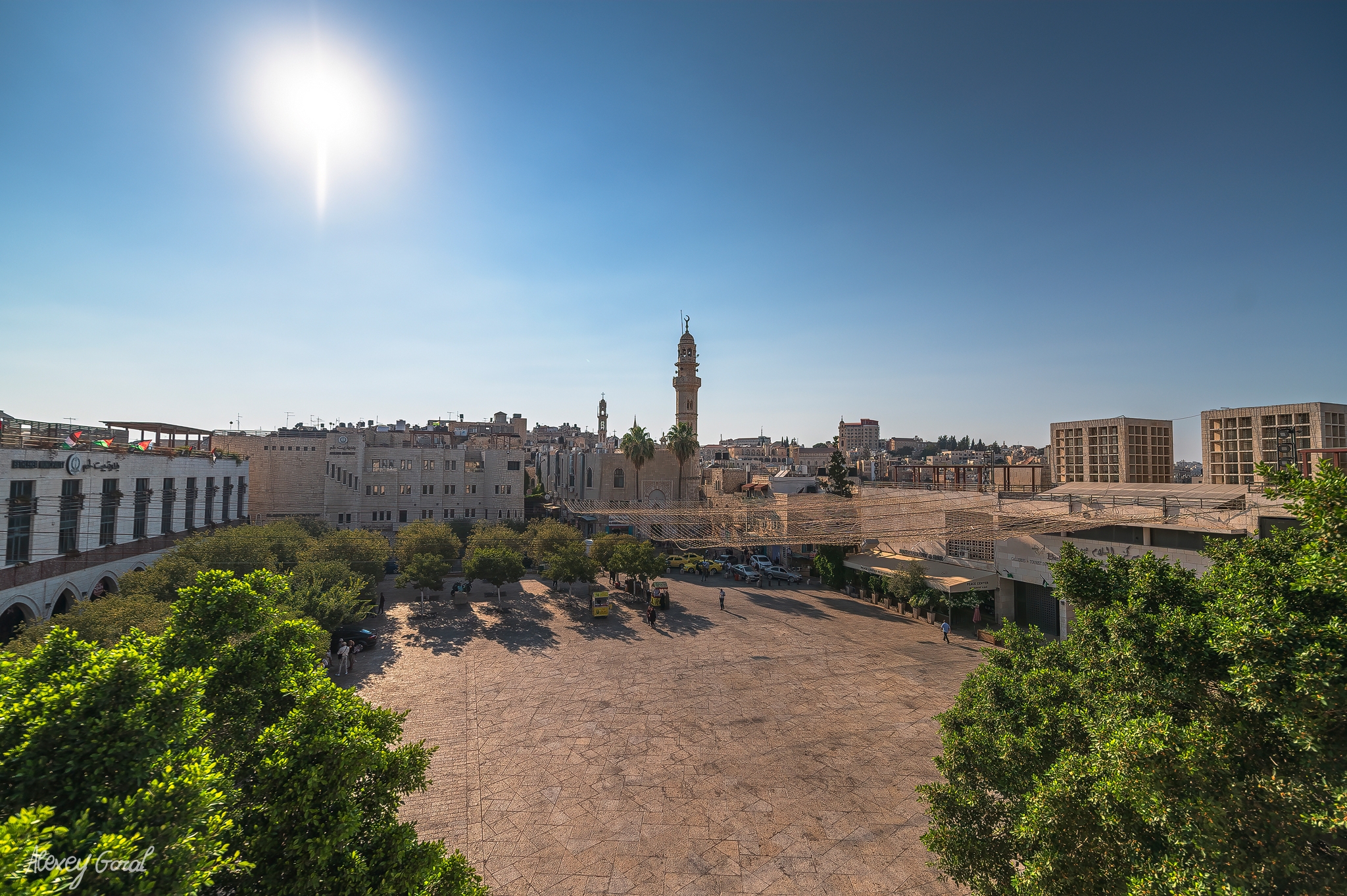
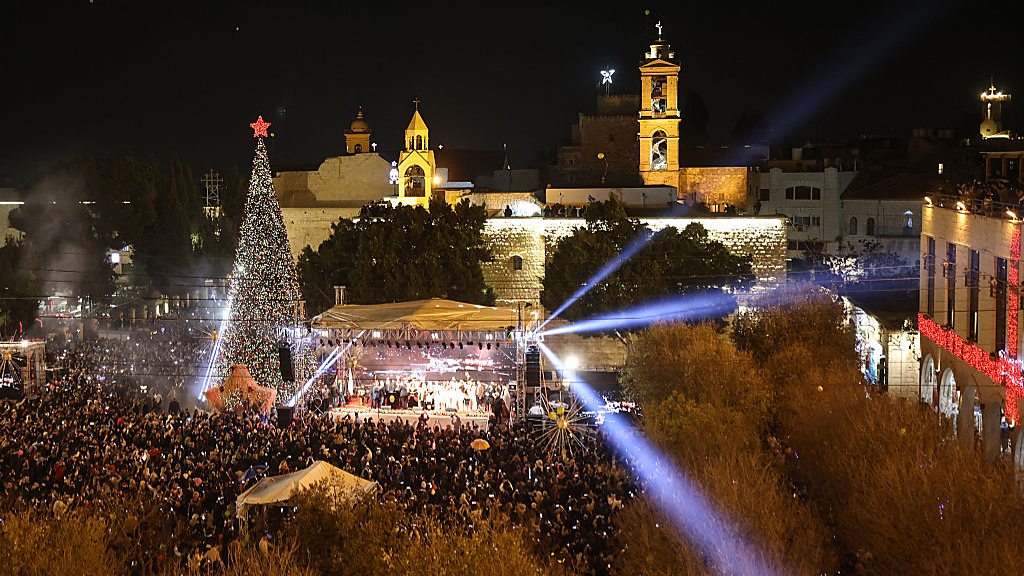
Right outside the Church of the Nativity lies Manger Square, the main public space of Bethlehem. It functions as the heart of the city, where locals gather and where pilgrims celebrate Christmas Eve each year.
Historically, the square developed as an extension of the church courtyard. Today it remains a strong symbol of Bethlehem’s identity, surrounded by churches, old houses, and traditional shops.
What many visitors miss are the surrounding streets. They still hold Ottoman era homes and merchant buildings, especially in the nearby old quarters like Star Street, which was once part of the ancient pilgrimage route.
Milk Grotto: Bethlehem’s Quiet Miracle Site
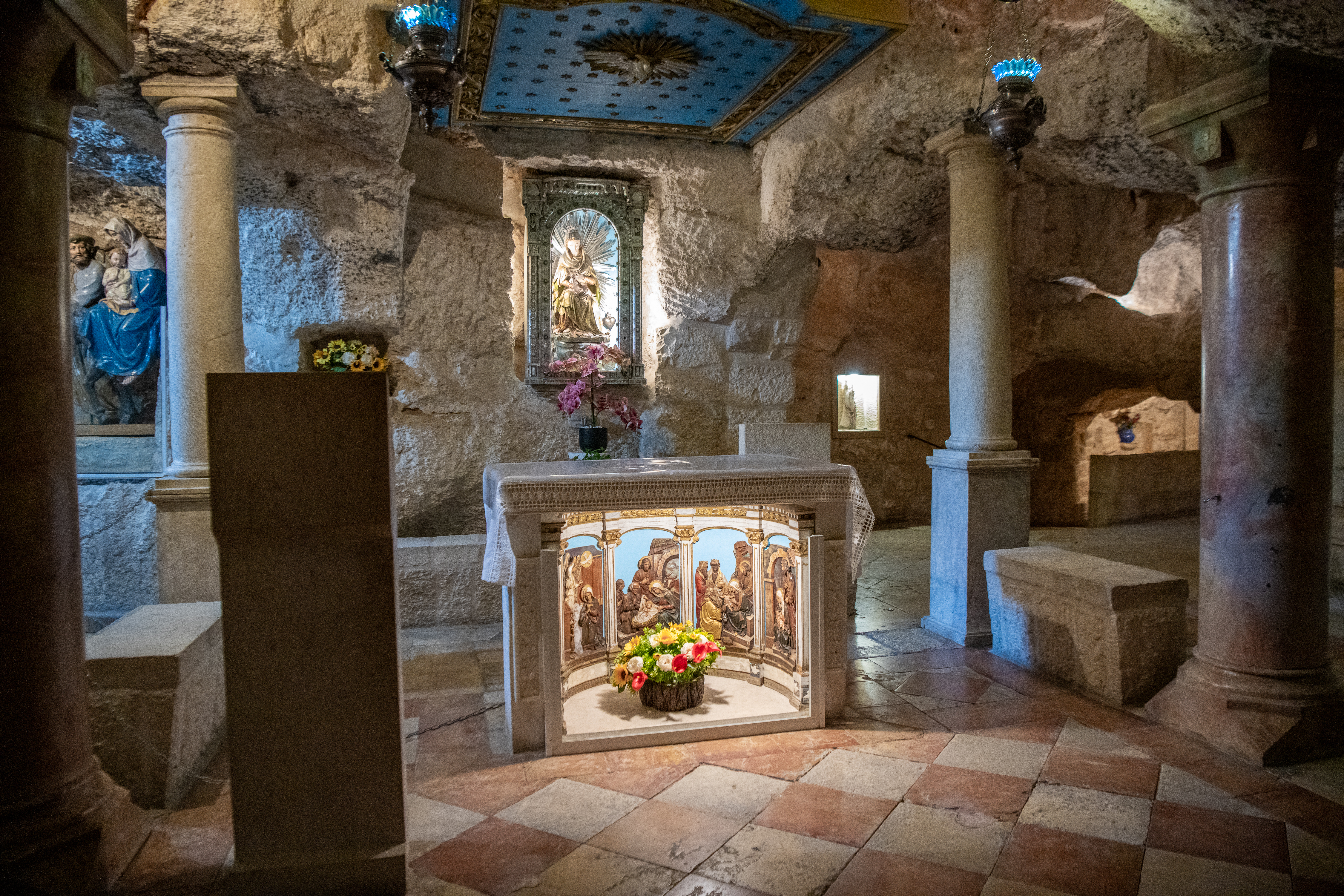

Just a few minutes’ walk from the Nativity Church lies the Milk Grotto, one of Bethlehem’s most overlooked landmarks.
According to tradition, the Holy Family hid here while fleeing King Herod. A drop of Mary’s milk is said to have fallen on the stone, turning it white and giving the grotto its distinctive color.
For centuries, pilgrims have taken small amounts of the white powder from the grotto as a devotional sign, especially connected with fertility and mothers who are nursing.
While the Nativity Church is monumental and often crowded, the Milk Grotto offers a more intimate and emotional experience. It is a place of quiet prayer that many travelers pass by without even noticing.
Shepherds’ Field: Where the Angels Appeared

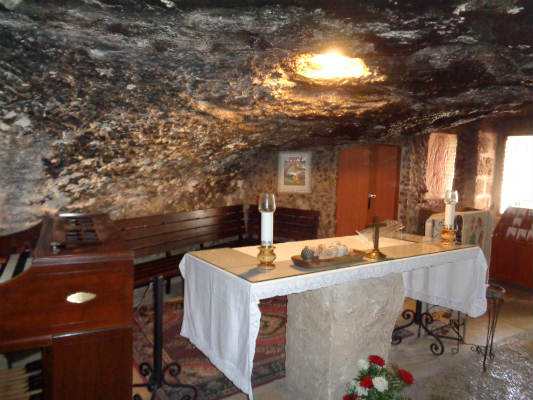
Located just outside Bethlehem, near the town of Beit Sahour, is Shepherds’ Field. This is traditionally believed to be the place where angels announced the birth of Christ to the shepherds.
There are two main sites here:
- A Franciscan complex that is popular with pilgrims
- A Greek Orthodox site nearby
The landscape still resembles the rocky fields described in the Gospel accounts, giving the place a quiet and reflective atmosphere.
Some of the caves in this area were used as shepherd shelters for centuries, blending natural geology with biblical tradition.
St. Catherine’s Church: The Christmas Broadcast Church
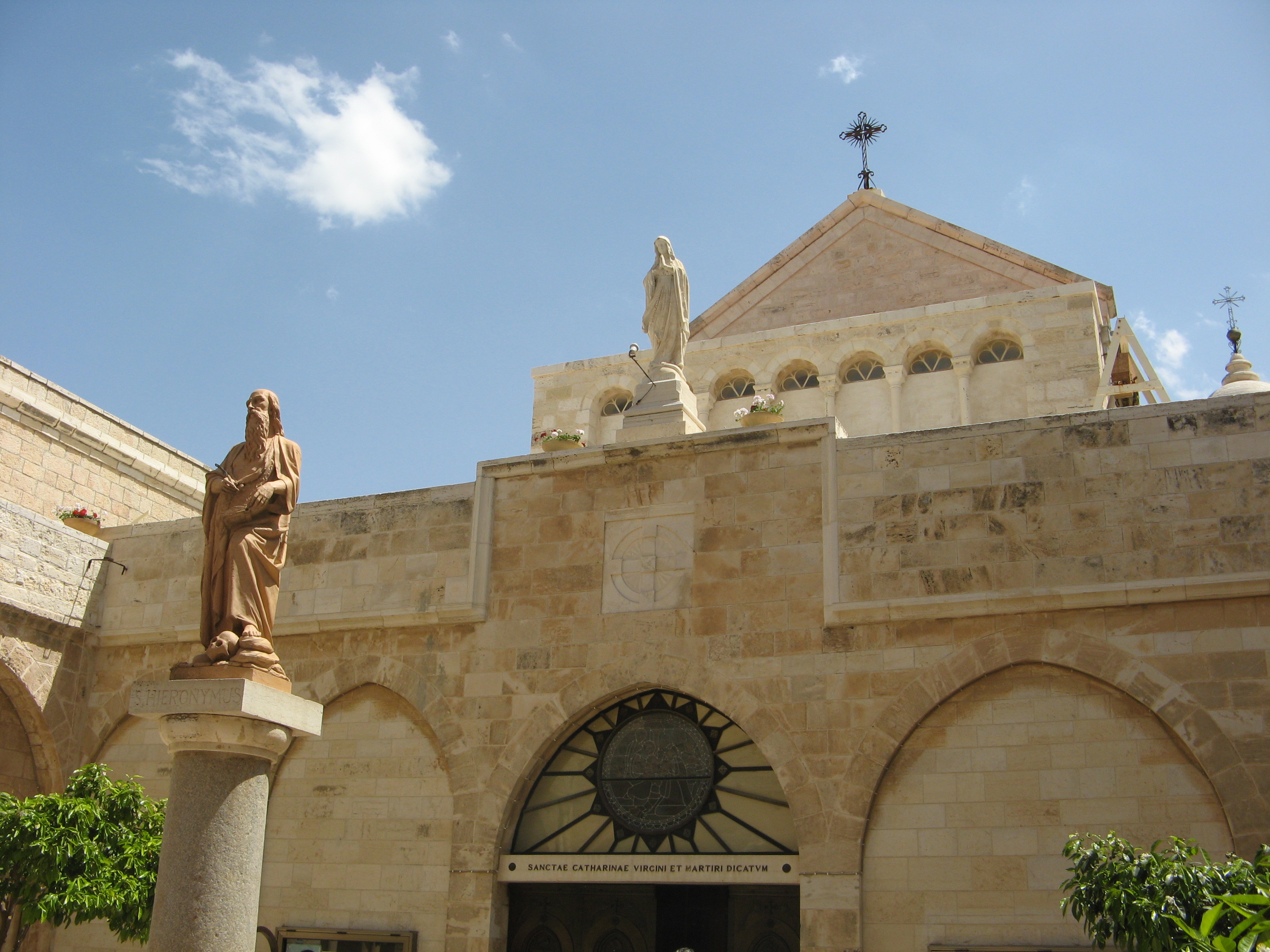

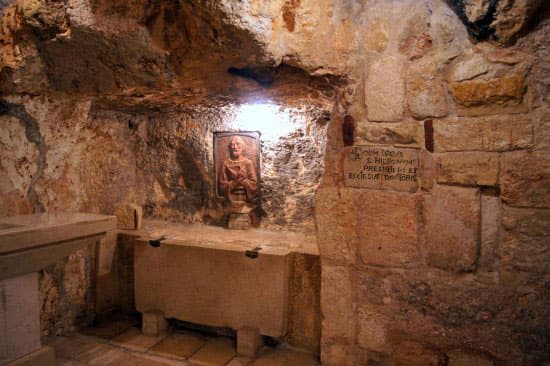
Attached to the Nativity complex is St. Catherine’s Church, a Roman Catholic church that many visitors walk through without really noticing.
It is here that the Midnight Mass from Bethlehem is broadcast around the world every Christmas Eve, making it one of the most recognized church services in Christianity.
Beneath the church are ancient caves and chapels, including the traditional site where St. Jerome translated the Bible into Latin.
Star Street: The Ancient Pilgrimage Route
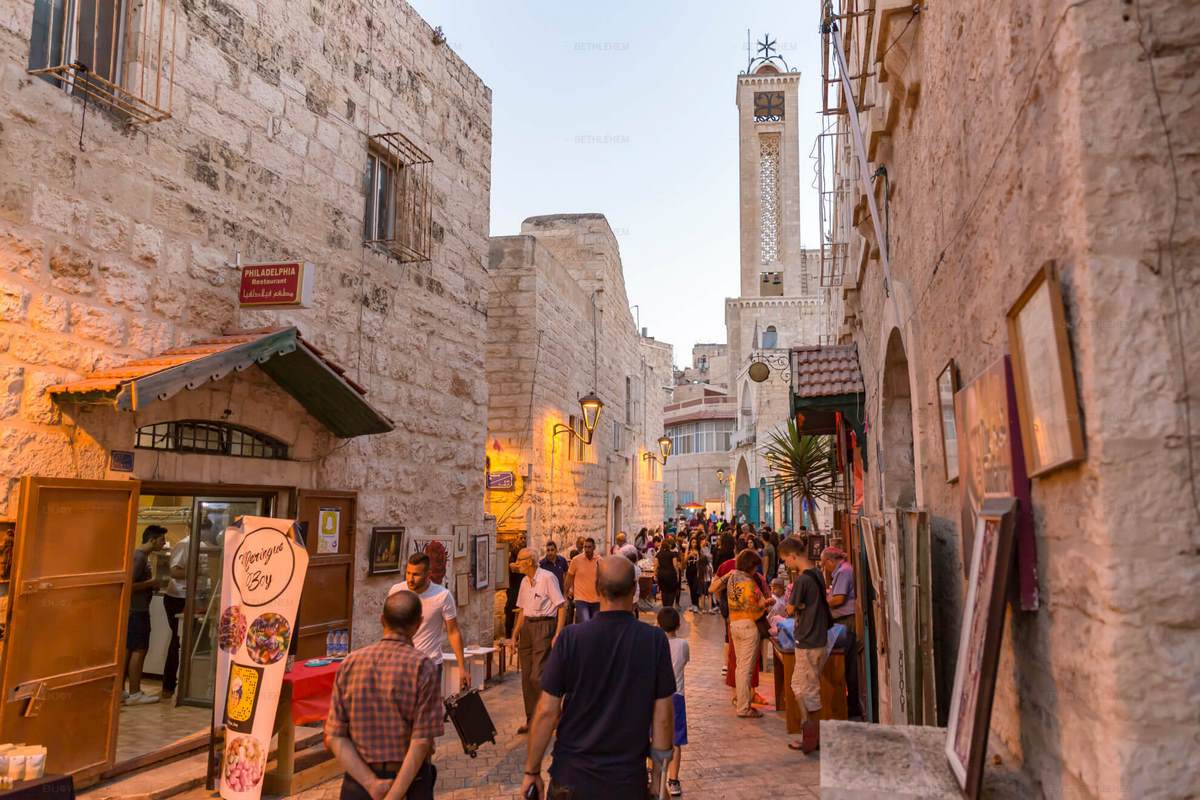


One of Bethlehem’s most historically significant yet often overlooked areas is Star Street.
This narrow and winding street was part of the traditional pilgrimage route leading travelers into the city toward the Nativity Church. Many of the buildings here date back to the Ottoman period and even earlier, with stone façades, arches, and wooden balconies.
Today, Star Street is being restored as a heritage zone, with small workshops, cafés, and family homes preserving the character of old Bethlehem.
Walking here feels less like visiting a tourist attraction and more like stepping into the living memory of the city.
Why Bethlehem’s Landmarks Matter
Bethlehem’s historical sites are not just monuments. They form a continuous story of faith, culture, and survival.
- The Nativity Church connects the present to the early Christian world
- The Milk Grotto preserves intimate local traditions
- Shepherds’ Field ties the landscape to the biblical story
- Star Street shows how pilgrims once experienced the city
Together, these places reveal Bethlehem as more than a single church. It is a complete historical world shaped by centuries of devotion and everyday life.
A Simple Half Day Walking Route
Start at Manger Square
- Church of the Nativity, around forty five to sixty minutes
- St. Catherine’s Church and underground chapels, around twenty minutes
- Walk to the Milk Grotto, ten minutes, visit for twenty minutes
- Explore Star Street for thirty to forty five minutes
- Take a short drive or taxi to Shepherds’ Field
Final Thought
Many people come to Bethlehem for one place, the birthplace of Jesus. But the real beauty of the city lives in its quiet corners, hidden grottos, old stone streets, and the people who still call it home.
If you slow down and walk beyond the main square, Bethlehem begins to feel less like a destination and more like a living story that continues every day.